

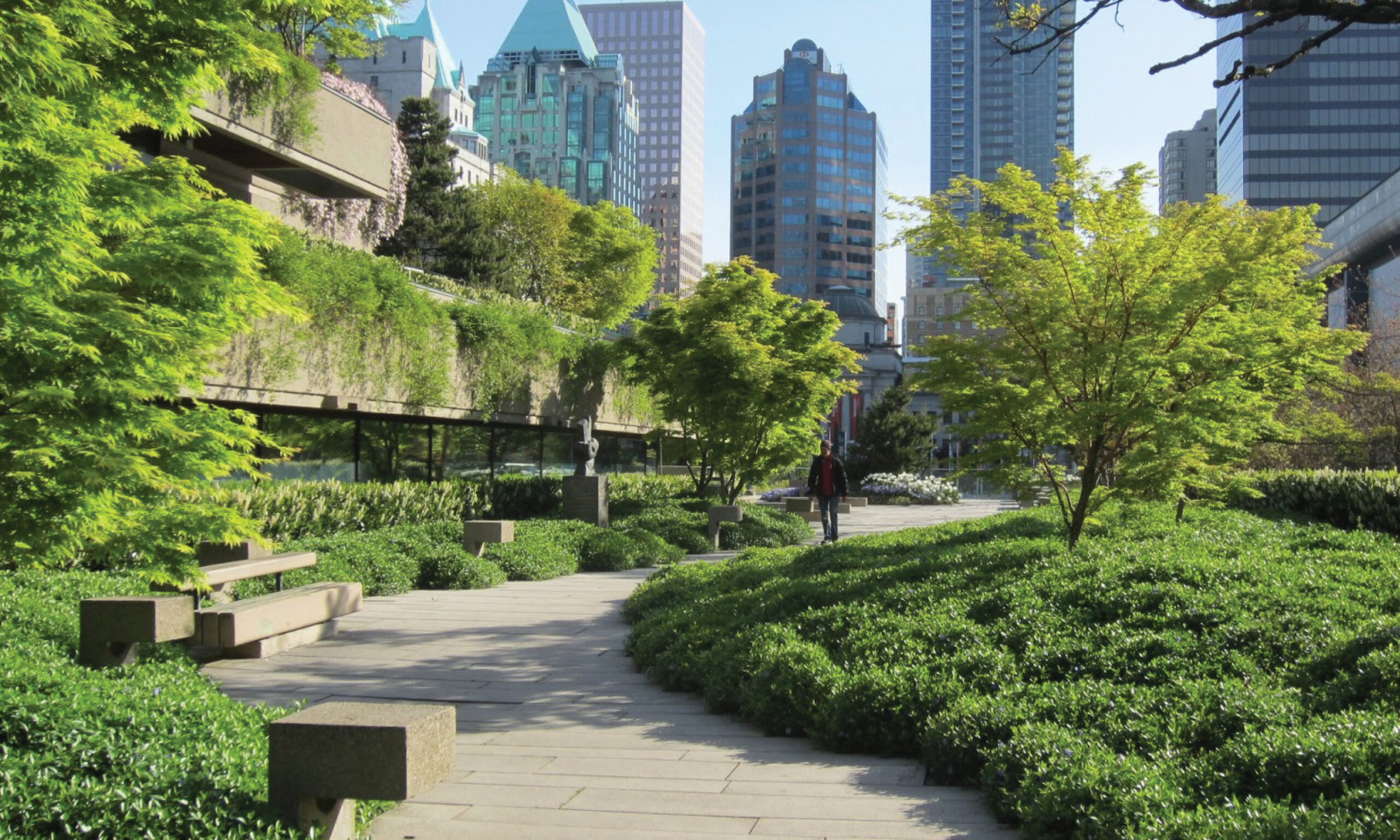
A comfortable home is not just about beautiful interiors, modern facilities, and spacious rooms. The surroundings also play an important role in creating a healthy and peaceful lifestyle. Today, homebuyers are increasingly looking for residential communities that offer landscaped gardens, open spaces, walking tracks, and tree-lined pathways. Developments such as Mohan Parkland reflect the growing interest in residential environments where comfort and lifestyle considerations go beyond the apartment itself. Green spaces provide residents with opportunities to relax, stay active, connect with nature, and enjoy a better balance between urban living and personal well-being.
1. Green Spaces Support Physical Health
One of the biggest advantages of having green spaces within residential communities is the opportunity to stay physically active. Parks, jogging tracks, walking pathways, and open gardens encourage residents to include outdoor activities in their daily routines.
Instead of travelling to distant fitness destinations, people can enjoy morning walks, jogging, yoga, and light exercises close to home. Children can participate in outdoor games, while senior citizens can enjoy peaceful walks and spend time in fresh surroundings.
Regular outdoor activities can support better physical fitness and encourage healthier daily habits. Having accessible green areas makes it easier for people of different age groups to enjoy an active lifestyle.
2. Natural Surroundings Create a Peaceful Environment
Modern urban lifestyles often involve busy schedules, traffic, noise, and long working hours. Having access to green surroundings can provide a refreshing break from these everyday pressures.
Trees, gardens, flowering plants, and landscaped open areas create a pleasant atmosphere where residents can relax after a busy day. Spending time outdoors, reading a book in a garden, or enjoying an evening walk can make everyday living more enjoyable.
Residential developments such as Runwal Central Avenue Dombivli can be included in a homebuyer’s research when comparing modern residential options and their lifestyle features. Buyers should check the actual availability, size, and accessibility of landscaped areas before selecting a property.
3. Green Areas Encourage Social Connections
A residential community becomes more welcoming when people have comfortable spaces to interact with one another. Gardens, seating areas, walking tracks, and outdoor recreational spaces provide opportunities for neighbours to connect.
Families can spend time together, children can make new friends, and senior citizens can enjoy conversations with other residents. Community gatherings, festive celebrations, and outdoor activities can also become more enjoyable when suitable open spaces are available.
These shared experiences help create a stronger sense of belonging. Instead of simply living in the same building, residents get opportunities to develop meaningful relationships and build a friendly neighbourhood.
4. Better Spaces for Children and Senior Citizens
Green spaces are especially valuable for families with children and elderly members. Children need safe outdoor environments where they can play, explore, and interact with others. Dedicated gardens and play areas provide opportunities for physical activities away from indoor screens.
Senior citizens can benefit from peaceful walking paths, shaded seating areas, and accessible landscaped gardens. These facilities allow them to spend time outdoors comfortably and remain socially connected.
Projects such as Mahavir Tranquil Thane can be considered when exploring residential options that match modern family lifestyle preferences. Homebuyers should evaluate the availability of green spaces, recreational facilities, and accessible common areas before making a decision.
5. Green Spaces Contribute to Environmental Sustainability
Landscaped gardens and planted areas can also support a healthier residential environment. Trees provide shade, help reduce the heat around buildings, and contribute to local biodiversity by creating habitats for birds and insects.
Thoughtfully designed green areas can support rainwater absorption and improve the overall appearance of residential surroundings. Features such as rainwater harvesting, native plants, and efficient irrigation systems can further encourage responsible resource management.
Developers and residential communities can make a positive difference by maintaining greenery and adopting sustainable landscaping practices.
6. Green Living Adds Value to Residential Communities
Today, many homebuyers consider open spaces and greenery important when comparing residential properties. A development with well-maintained gardens and outdoor recreational facilities may offer a more attractive living environment.
Meridian Park is another residential project name that buyers can include in their research while comparing housing options and lifestyle features. However, buyers should independently evaluate the actual green spaces, maintenance arrangements, and surrounding environment of any project.
Conclusion
Green spaces play an important role in improving the quality of life in residential communities. They encourage physical activity, provide peaceful surroundings, support social connections, and create healthier environments for families.
When choosing a home, buyers should look beyond apartment interiors and consider the outdoor spaces available within the development. A well-designed residential community should offer a balance of modern facilities, open spaces, and natural surroundings. Ultimately, a home becomes more enjoyable when residents have the opportunity to experience both comfortable indoor living and the refreshing benefits of nature.