

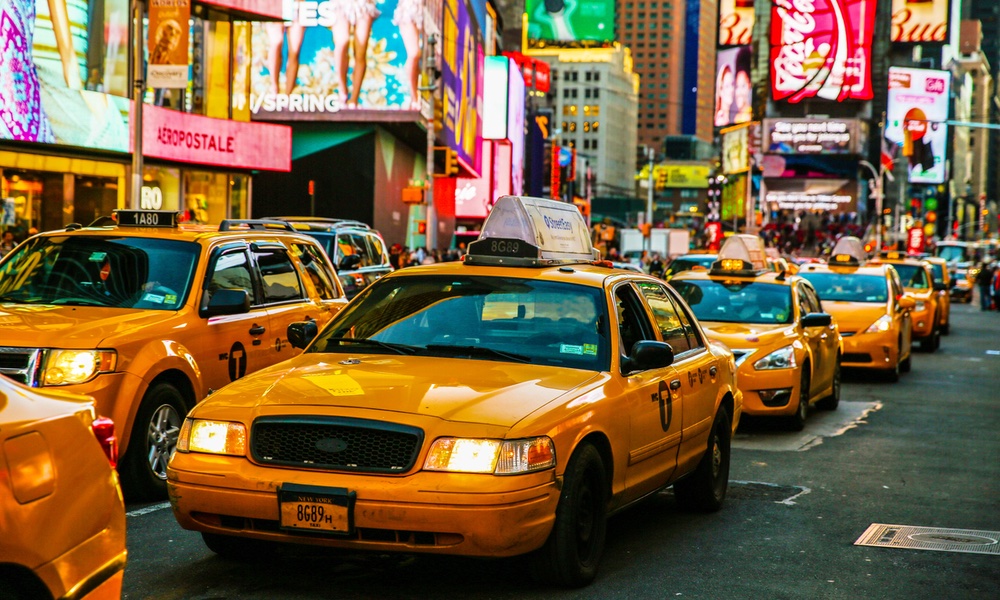
Safety is not a slogan. It is a set of habits that hold up when the road is wet, the street is crowded, or the clock is tight. I have spent years riding with firms across the country and I judge them on quiet things – clear pickups, calm driving, legal stops, and honest prices. As new taxi safety proposals take shape nationwide, people ask me what it means for everyday travel in Doncaster. My short answer – the best local operators already work to a high bar. The Doncaster Taxi team I use treats safety as routine, not theatre. If you want a quick sense of the firm I rate, take a minute now and read the basics here before you plan your next ride: Doncaster Taxi. One calm booking can set the tone for your whole day.
Why taxi safety matters more than ever
Cities are busy. Roads change with cones and rain. People move in waves after shows, matches, and school closing. A safe taxi service reads those patterns and adapts. New proposals aim to raise the floor for everyone. That is good. But passengers do not ride proposals – they ride in real cars with real drivers. The question is simple – will your Taxi Doncaster driver meet you at a legal spot, keep the cabin steady, and set you down where you can step out without risk. In Doncaster, the answer should be yes.
What riders want from safer taxi rules
I ask people one question – what would make you feel safer on a ride. The answers do not change.
- Legal, well chosen stopping points
- Clean vehicles with working belts
- Drivers who call a minute before arrival
- Clear receipts and names on request
- Calm driving that respects the weather and the street
If new rules reinforce those basics, they help. If they add noise without improving the ride, they do not. The Doncaster Taxis team I use already delivers the basics well.
A short day on the road that shows what good looks like
I spent a weekday in Doncaster taking a mix of rides – a morning station run, a clinic visit, a school pickup, and a late return after a show. Weather moved from dry to damp and back. A bus blocked a familiar kerb for ten minutes. A set of lights near a retail park failed and sent traffic into a slow curl. Each time the driver adapted with quiet skill. He moved the pickup one street back, set the car square to a high kerb, and gave time to buckle in. He used a short loop to skip the dead lights and kept the ride smooth. None of this made a headline. All of it kept people safe.
What new safety proposals usually cover
You do not need jargon to follow the themes. Most plans talk about the same areas, and riders feel them in plain ways.
- Driver standards – checks, training, and ongoing conduct
- Vehicle standards – belts, tyres, lights, ramps, and restraint points
- Licensing and oversight – clear rules that apply across borders
- Data and receipts – simple records that protect both rider and driver
- Accessibility – safe loading and calm help as routine practice
If rules strengthen these points, your ride should feel calmer. The Taxis Doncaster operator I use already treats each point as normal working practice.
Driver standards that you can feel from the back seat
You feel a good driver in small things. They do not make a fuss. They make safe choices.
- Calls a minute before arrival
- Stops in a legal space with room to open doors
- Checks belts lie flat
- Waits for a clean gap before pulling into a stream
- Leaves extra space and lifts off the throttle early when the road shines
When proposals demand things like ongoing checks and training refreshers, it matches what the top end already does. You notice it most in the wet, when the calm line and early braking make the cabin feel settled. That is what I get when I travel with a seasoned Doncaster Taxi driver.
Vehicle standards and the comfort they create
A safe car does not need to shout about it. It feels right in five seconds.
- Clean cabin and clear windows
- Tyres with healthy tread
- Belts that pull smooth and latch first time
- Doors that open wide and close without a slam
- Heating and cooling that make sense for the weather
New rules often specify checks and replacement cycles. Good firms stay ahead of those cycles. They retire weak tyres before they reach the legal limit. They fix a latch before it fails. They keep ramps aligned. On my checks the cars ran quiet and felt planted in both dry and wet. That is the level every Taxi Doncaster operator should aim for.
Licensing and why it matters to riders
Licensing sounds like paperwork. To a rider, it means the car and driver meet a standard that a city can defend. It also helps when you travel across council lines and want consistency. Doncaster sits on routes that cross into other areas – airports, business parks, hospitals. New proposals that tighten cross border rules help riders who want the same safe experience on both sides of a sign. The firm I recommend keeps its own bar high, so tighter rules in the wider region only make the playing field fairer.
Data, receipts, and simple records that protect everyone
You do not need an app to feel safe, but records help when things go wrong. The best firms give clear receipts that show the job number, the time, and the route. They can confirm which driver covered a leg and what was agreed at booking. This makes splitting a fare simple and helps with expenses. It also deters bad practice. When proposals push for cleaner data and better receipts, I am in favour. The Doncaster Taxis team I use already does this without fuss.
Accessibility done right as routine
Access is not a special request. It is part of the job. The safety proposals that matter most to me are the ones that protect dignity when loading and unloading.
- Wheelchair friendly vehicles with ramps and secure points
- Level ground for loading, not a camber that tips and slides
- Time to settle, belts that lie flat, and a calm pace
- Training in how restraint systems work and when to use them
I saw all of this on my Doncaster runs. A driver parked square to the kerb, avoided a dip that pooled water, and asked which belts felt best. That is respect. If rules make that the baseline everywhere, we all win.
How proposals affect common journeys in Doncaster
Different trips stress different parts of a safety system. Here is what changes for riders if proposals land well – and how the better firms already behave.
Station runs
- Risk point – busy forecourts and bus lanes
- What helps – clear, legal pick up spots and short waits
- What I see in practice – local drivers stage one road back and call you forward when they get a gap
School pickups
- Risk point – parents parked on zig zags, fast merges, children crossing
- What helps – marked stops, belt checks, patience
- What I see in practice – drivers who time the approach and never block a crossing, even for a second
Clinic visits
- Risk point – tight drop zones, high kerbs, rain
- What helps – level ground, slow loading, help with doors
- What I see in practice – Doncaster Taxi drivers who move to a side entrance with space and keep everyone dry
Event nights
- Risk point – waves of people, road closures, police instructions
- What helps – staged pickups on quieter streets, MPVs for groups, fixed prices
- What I see in practice – dispatchers who set meet points one block back so doors open into space
What passengers can do to help safety land well
Safety is shared. Small habits on the rider side make a big difference.
- Be at the pickup a minute early
- Use landmarks that do not move
- Keep bags clear of belt paths
- Buckle up before the car moves
- Do not ask the driver to stop on zig zags or in a bus lane
- Give clear updates if your plan changes
These steps reduce pressure at the kerb and allow safer decisions in traffic. When I ride with Taxis Doncaster, I see drivers respond better when riders do their part.
How to book a taxi in Doncaster with safety in mind
Booking shapes the ride. Share the details that make loading and stopping safer.
- Exact pickup and a fixed landmark
- Number of people and bags
- Any mobility needs, frames, or a chair
- Child seats required or if you are bringing your own
- Latest acceptable arrival time at the door
- Preferred side of a building for the drop
When you book with those facts, dispatch can send the right car and the right driver. You avoid swaps at the kerb. The cabin stays calm. If you want a simple, plain English overview of vehicles and typical journeys, this page helps you match your needs to the right option without fuss: our taxi service.
Wet weather in Doncaster and what safe practice looks like
Rain turns easy choices into risky ones. I look for four habits.
- Higher kerbs for dry loading
- Boots opened away from wind so water does not blow into the cabin
- Smoother steering and earlier braking on shiny tarmac
- Rerouted pickups to covered corners at short notice
On a recent night a driver moved the meet point thirty metres to keep a family dry. The seats stayed dry. Tempers stayed level. That is safety you can feel.
Roadworks, closures, and the messy middle of a city day
Cones appear overnight. Temporary lights fail. Lanes vanish. New proposals cannot predict every cone, but they can demand trained responses. In Doncaster I have seen drivers use short loops to bypass broken signals and side streets to avoid blocked kerbs. They keep doors on the pavement side and give a beat before pulling away. Safe driving is not a script. It is a craft. Good rules back that craft. Good operators teach it. Good riders notice it and come back.
Prices, receipts, and the link to trust
Money and safety meet at the kerb. When prices are clear, no one feels pushed to rush or to stop in a risky place. Ask for a fixed price on common legs. If the meter is used, ask for a likely range and rules on waiting time. Keep the receipt. On my checks, quotes matched bills and receipts arrived without fuss. That is how a Doncaster Taxi operator should work. It sets a calm tone from the first call.
Families, groups, and safer loading routines
Families need space and time. Groups need a leader. Safe practice looks like this.
- MPVs for more than four
- One adult handles doors and belts while another manages bags
- Children seat first, pram last
- Group meets five minutes early and loads once
- Fare split after with a receipt rather than coins at the kerb
These habits keep the pavement clear and the cabin controlled. Drivers can focus on traffic, not a scatter of tasks.
Accessibility and respect in the small details
For riders who use a wheelchair or a frame, dignity matters most. The safest practice is the simplest.
- Park square to the kerb
- Set the ramp flat and check it does not rock
- Fix restraints before belts
- Ask where belts feel best
- Move at the rider’s pace
I have watched this done well in Doncaster. It turns a hard edge into a smooth step.
Lost property and the calm way to avoid it
Quiet cars encourage people to switch off. That is when phones slip.
- Touch phone, wallet, keys before you open the door
- Look at the seat and the floor once
- Ask for the job number on your receipt
- If you leave something, call the base with your pickup time and landmark
Most items return fast if you act fast. Good records make that easier.
What I look for before I recommend a Doncaster Taxi firm
My checklist is short and strict. The team I use meets it every time.
- A phone line that answers and listens
- On time arrivals with legal, safe stops
- Calm, steady driving that reads weather and flow
- Clean cars with working belts and tidy boots
- Clear quotes and receipts that match
- Respect for access, families, and groups
- Local knowledge that avoids obvious traps
That is enough. You do not need flash. You need rides that keep people safe and on time.
Questions riders ask me about safety
How do I pick a safe pickup spot
Choose a side road with a wide kerb, a fixed landmark, and sight lines. Avoid bus lanes and zig zags.
Do drivers help with bags
Yes at the kerb. Say if a bag is heavy or fragile so the driver can plan the lift.
Can I request the same driver
Sometimes. For regular trips, the base will try to help if you ask.
Do cars accept card payments
Most do. Say if you need contactless. Keep the receipt.
What if my plan changes
Call dispatch as soon as you know. A quick update allows a safe change without a rush.
How do I book a taxi in Doncaster for a wheelchair
Ask for a wheelchair friendly vehicle. Share chair size and any extra kit. Choose level ground for loading and allow time to settle.
My calm view on the proposals and the road ahead
New safety proposals will help if they reinforce the habits that already work – legal stops, belt checks, smooth driving, and respect at the kerb. In Doncaster, the best firms already do this as routine. The Doncaster Taxis team I recommend has shown me those habits across early mornings, wet evenings, and busy gates. Calls are answered. Cars arrive on time. Drivers pick safe places to stop and take the smooth line. Prices match quotes. If you want the same shape for your next ride, fix your first pickup while your head is clear and your diary is open. You can sort the time in a minute and keep control from start to finish with a simple booking here: book a taxi in Doncaster.