

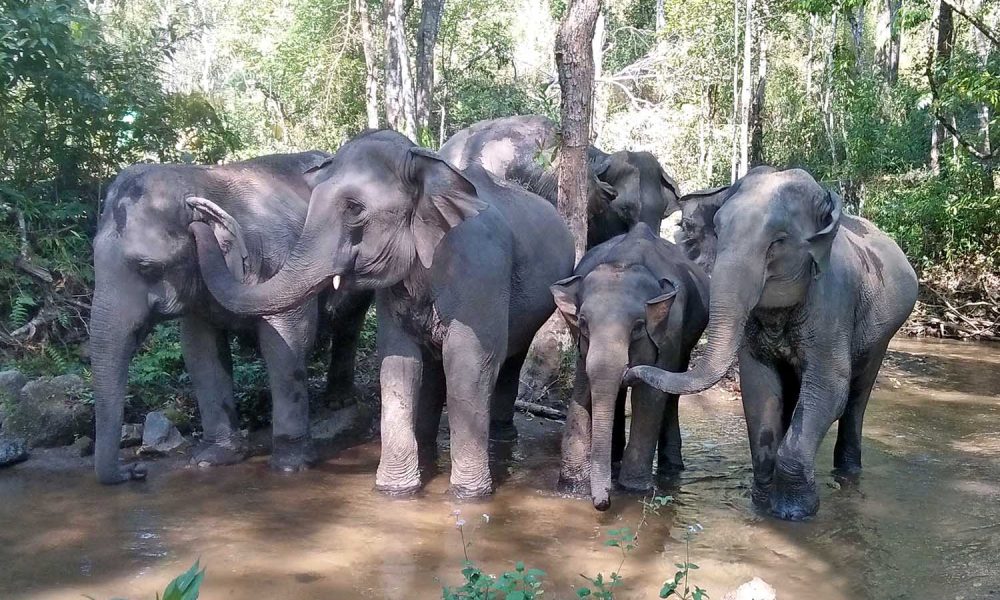
A visit can become more useful when people understand the animals they observe. The best elephant sanctuary koh samui is often searched by people who want responsible places that offer learning opportunities. They usually want clear details about care routines. They also want to know how activities support better understanding.
Educational programs give visitors useful information before activities begin. Simple guidance can explain animal behaviour. It can also show suitable ways to observe them.
Learning Through Clear Guidance
Good teaching starts with simple information. Visitors should know what to observe before activities begin. Staff explanations can provide useful context. This makes each part easier to understand.
A structured approach also reduces guesswork. People can follow clear instructions instead of making personal assumptions about animal behaviour. This supports responsible conduct throughout the visit.
Understanding Animal Behaviour Better
Animal behaviour can change throughout the day. Visitors need to observe before reaching conclusions. Movement can have several causes. Quiet behaviour does not always indicate a problem.
Educational guidance helps explain these differences. People can learn about body movement. They can also notice social responses and daily routines.
Practical Rules For Responsible Visits
Clear rules help visitors act appropriately around animals. Each instruction should have a simple reason behind it.
- Observe quietly when animals show signs of needing personal space.
- Follow staff directions during every scheduled observation activity carefully.
- Avoid sudden movements that could disturb nearby animals unnecessarily.
- Never offer unapproved items during feeding or observation periods.
- Watch natural actions instead of expecting animals to respond.
- Keep a suitable distance when staff provide specific instructions.
- Ask staff before attempting any unfamiliar activity near animals.
- Respect changes when animals move away from visitor areas.
Following these points keeps activities orderly. It also gives animals greater freedom to behave normally.
What Makes Educational Visits Truly Useful?
Meaningful learning depends on accurate guidance. Visitors should receive information that connects visible behaviour to basic welfare needs. Simple explanations can make unfamiliar actions easier to understand.
The best elephant sanctuary koh samui search may lead people toward different types of places. Comparing educational details can help them understand what each program actually provides.
Useful learning should not depend on close contact. Observation can provide valuable information. Staff guidance can add context. Questions can help clarify unfamiliar situations.
Building Respect Through Daily Observation
Observation becomes more useful when people remain patient. Visitors can notice posture. They can watch movement. They can also see how animals respond to one another.
This approach encourages attention without unnecessary interference. It allows people to learn from natural behaviour.
The main limitation is time. A short visit provides only limited information. People should avoid treating one observation as a complete picture.
Asking Better Questions During Activities
Questions can improve understanding when they focus on care. Visitors may ask about feeding routines. They may ask about social behaviour. They can also ask why certain boundaries exist.
Simple questions often reveal the purpose behind visitor rules. This makes instructions easier to follow. It also helps people connect separate observations.
Good questions should remain respectful. Staff may not have immediate answers for every subject. Some matters require longer monitoring or specialist knowledge.
Keeping Learning Practical and Consistent
Knowledge becomes useful when it changes behaviour. Visitors can review the instructions they receive. They can then apply them during each activity.
Consistency matters because rules may seem less important during exciting moments. A person who understands their purpose is more likely to follow them correctly.
Repeated actions also help reduce mistakes. Quiet observation can become a regular habit. Giving animals space can become an automatic response.
The process does not need to be complicated. Listen carefully. Observe closely. Ask when uncertain. Follow the guidance provided.
Common Questions Visitors Often Ask
- What can educational programs teach visitors?They can explain animal behaviour. They can also cover care routines and visitor conduct.
- Do visitors always interact directly with animals?No. Some activities focus mainly on observation and responsible learning.
- Can animal behaviour change during scheduled activities?Yes. Daily routines, social conditions, and surroundings can influence behaviour.
- Should visitors approach an animal that moves closer?Visitors should wait for staff guidance before changing their position.
- How can people understand unusual behaviour?They can observe and ask staff for simple explanations.
- Why should visitors follow changing instructions?Animal needs can change. Updated guidance helps maintain suitable conditions.
Turning Knowledge into Better Conduct
A useful visit should leave people with a clearer understanding. It should also encourage careful behaviour around animals. Visitors can review what they learned after each activity.
They can consider whether they followed instructions. They can also identify areas where their assumptions were incorrect.
This type of review supports steady improvement. It does not require complex methods. Simple attention and repeated practice are enough.
Programs can also improve by reviewing visitor questions. Common misunderstandings may show where explanations need greater clarity.
Creating Lasting Understanding Through Practice
Good educational work depends on consistency. Information should remain clear from the beginning of activities until they finish. Staff guidance should match the conditions observed.
Visitors also have a role. They should listen. They should observe. They should avoid actions that may disturb animals.
Changing conditions should be accepted as part of responsible care. Not every scheduled activity will look identical. Animal needs must remain more important than fixed expectations.
The strongest learning comes from repeated observation. It develops a more accurate understanding over time. It also reduces assumptions based on brief encounters.
Respectful Learning Creates Deeper Value
A meaningful visit does not depend on constant activity. It depends on accurate information. It also depends on responsible behavior.
Visitors gain more when they understand the reasons behind each guideline. Careful observation can reveal useful details. Staff explanations can provide needed context. Learning becomes more useful when people observe responsibly. Clear guidance helps turn a short visit into practical knowledge.