

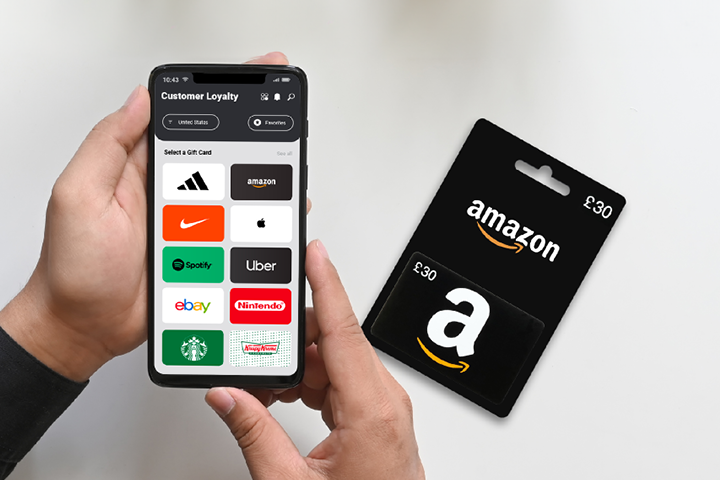
Digital gift cards represent electronic equivalents of traditional plastic gift cards. These virtual cards exist as computer codes rather than physical objects. People receive them through email or text messages instead of mail delivery. Users can spend them immediately for online shopping or save them in phone apps. Retailers sell digital gift cards directly from their websites. Third-party vendors also distribute cards from multiple brands. Shoppers often appreciate convenience, and midway through their search, my-giftcardmall.com provides a seamless experience, offering diverse options while keeping everything accessible and straightforward for easy selection. This centralized approach simplifies the gift purchasing process.
Card operation mechanics
Digital gift cards contain unique identification codes linked to specific dollar amounts. The retailer’s computer system generates these codes when someone makes a purchase. Each code connects to a database entry that tracks the card’s value and transaction history. Recipients get the card information through electronic messages. They type the code into website checkout pages or add card details to mobile payment applications. The merchant’s computer checks the code against stored records and subtracts purchase amounts from available balances. Card functionality includes built-in restrictions and security measures. Expiration dates limit how long cards remain valid. Some cards work only at specific stores, while others function across multiple retailers within the same company network.
Purchase and distribution options
- Electronic mail systems deliver card codes to recipient email addresses with personal messages
- Mobile phone text messaging provides instant code delivery through SMS communications
- Social networking platforms enable gift card sharing through private messaging features
- Smartphone applications store purchased cards in organized digital wallet systems
- Quick response codes create scannable patterns that connect to card activation pages
- Computer printouts combine digital convenience with traditional paper gift presentation
Electronic distribution removes shipping delays and postal service problems. Recipients access their gifts immediately, making digital cards suitable for urgent gift situations and last-minute purchases.
Code redemption methods
Digital gift card redemption requires entering codes during online purchases or showing them at physical retail locations. The specific process depends on each retailer’s computer systems and their card technology specifications. Online redemption involves copying card codes into designated website fields during payment processing. Computer systems calculate remaining balances after purchases and show updated amounts for future shopping. Many retailers save used cards to customer accounts for easier access during later visits. Physical store redemption requires showing digital codes through mobile phones or paper printouts. Store employees scan or manually type codes into cash register systems. Some retailers accept contactless payments where customers hold their phones near payment machines to transmit card information.
Benefits compared to plastic cards
Digital gift cards provide several advantages over traditional plastic versions. Electronic cards cannot be physically misplaced, stolen from delivery locations, or damaged through regular handling. Electronic formats enable immediate delivery regardless of distance or shipping constraints. Storage convenience tops the advantage list since recipients can organize multiple cards in phone applications or email systems. Digital formats also support easy balance verification and purchase history reviews. Environmental advantages include eliminating plastic waste and reducing shipping materials. Retailer cost reductions include eliminating manufacturing and delivery expenses, often creating promotional incentives or lower fees for customers.
Modern commerce integration
Digital gift cards have established themselves as standard elements of contemporary retail operations. They provide practical alternatives to cash gifts while supporting contactless payment methods preferred by many consumers. Their ongoing development incorporates emerging technologies and improved security features that enhance user satisfaction across different shopping environments. Future developments will likely include enhanced mobile integration and expanded cross-retailer compatibility options.